• Skip to primary navigation
  • Skip to main content
  • Skip to footer

Dancing Priest

Author and Novelist Glynn Young

  • HOME
  • BLOG
  • BOOKS
    • Brookhaven
    • Dancing Prince
    • Dancing Prophet
    • Dancing Priest
    • A Light Shining
    • Dancing King
    • Poetry at Work
  • ABOUT
  • CONTACT

Civil War

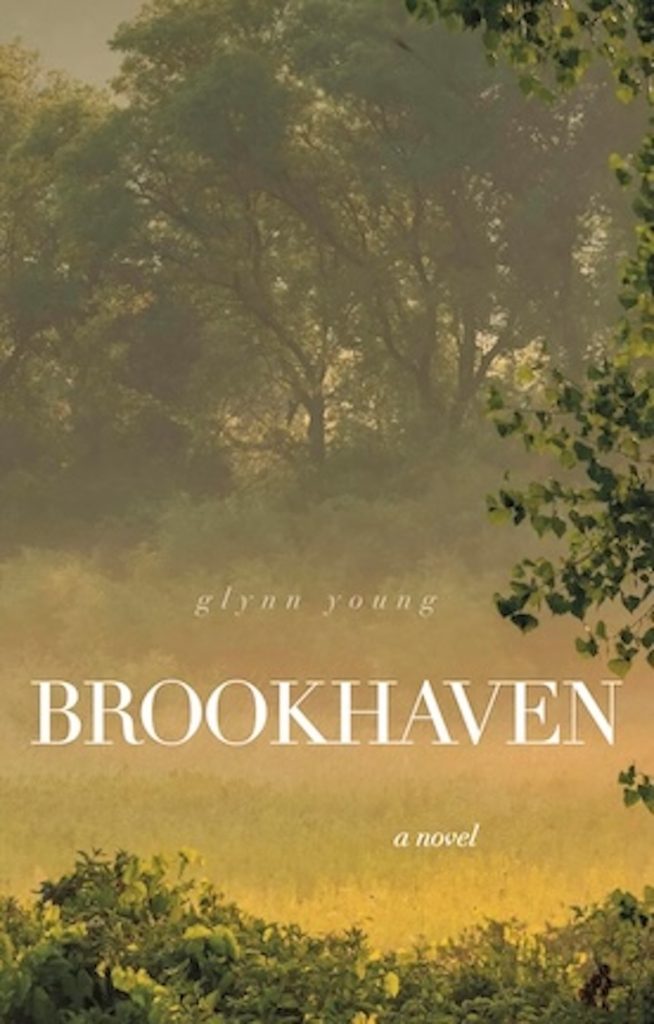
“Brookhaven” and the Battle of Shiloh

April 15, 2026 By Glynn Young 1 Comment

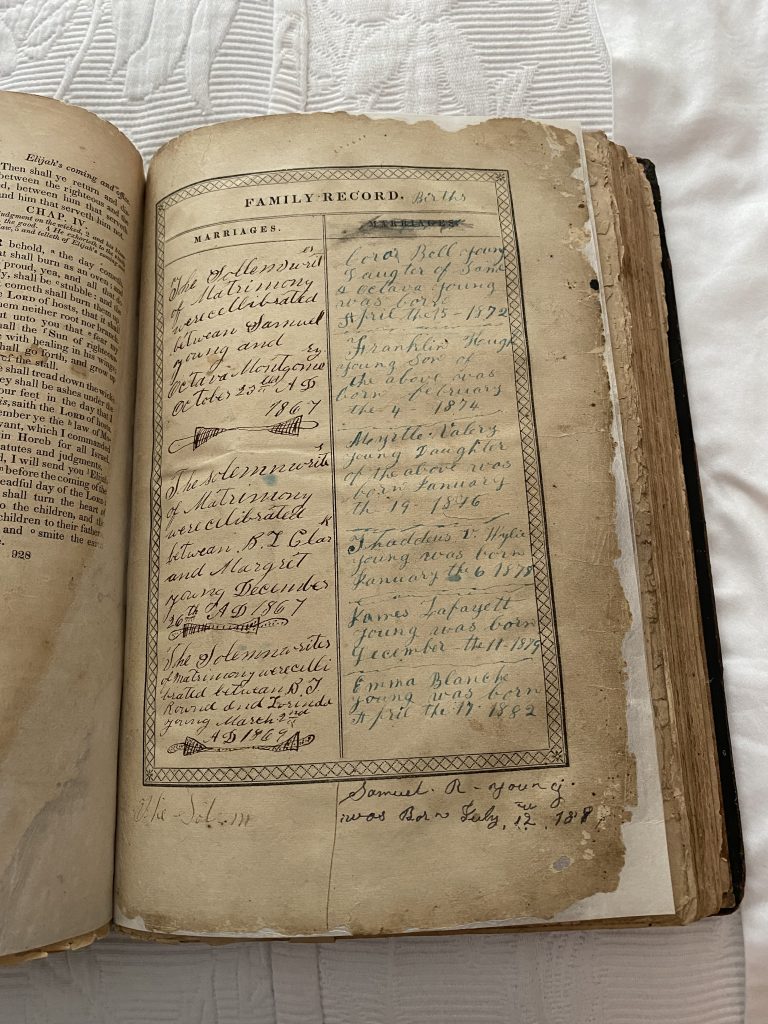
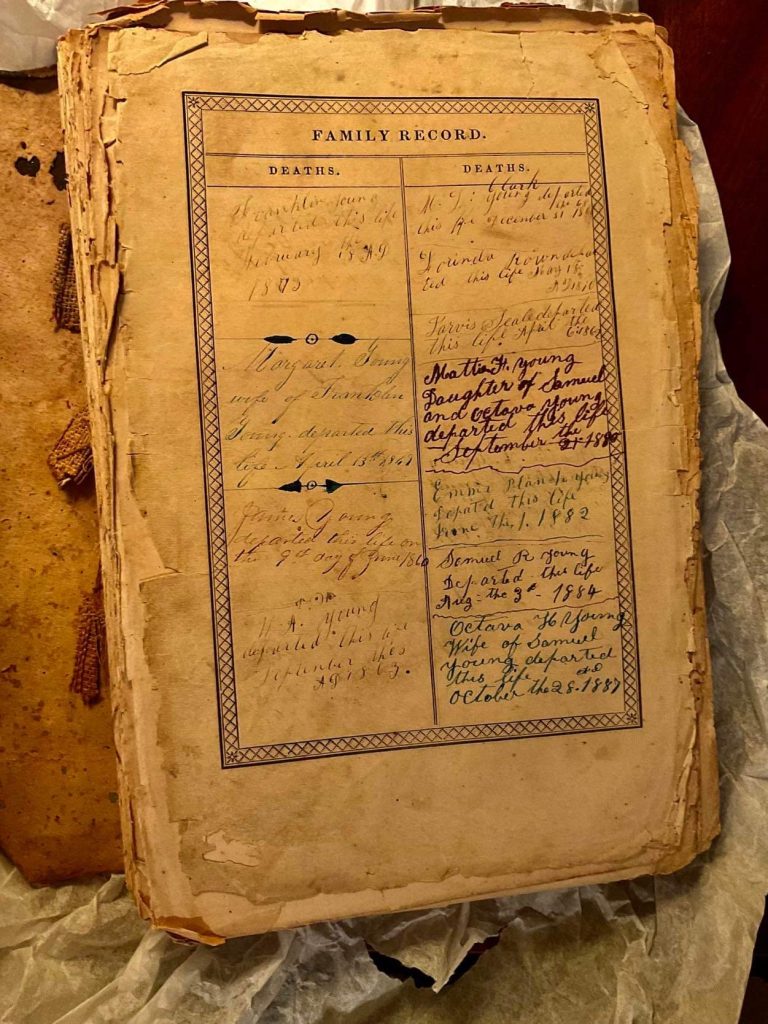
For a very long time, no one in my father’s family – father, aunts, uncles, grandmother, or cousins – knew why the family Bible contained a death notice. The name was Jarvis Seale; the only thing the listing had was the date of his death. Who was this person? Why was he considered so important that my great-grandfather, who’d penned every entry in the records, had included him. My father guessed Jarvis might have been a distant cousin, or a close friend.

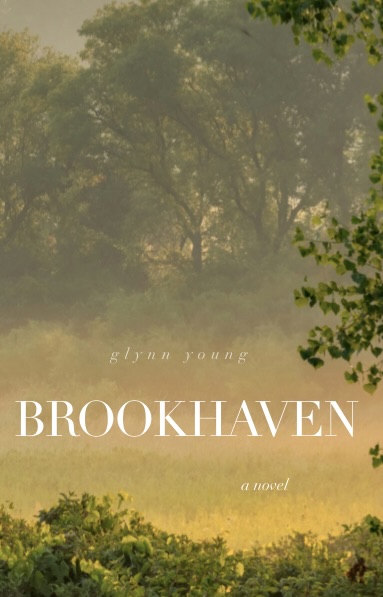
It was only in the years I’d been doing reading and research for my historical novel Brookhaven that I discovered the answer, and then it was simply by happenstance. The key was the date of his death.

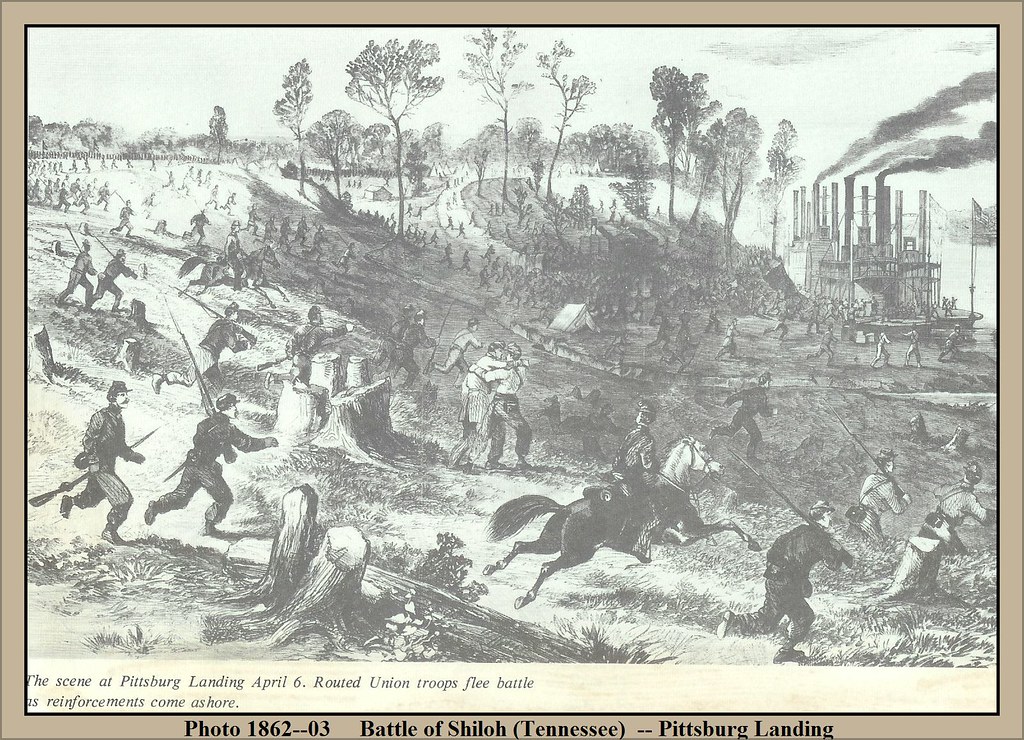
I was reading about the two-day Battle of Shiloh, and something about the dates – April 6 and April 7 of 1862 – reminded me of something. The dates were familiar, but in some other context. Where else had I seen those dates? At some point, I made the connection. It was the family Bible, and the mention of the mystery man. His death was listed as April 6, 1862. 

I turned to Family Search. I pulled up my great-grandfather’s listing and checked his sisters. And there he was – the husband of an older sister, Martha. The had had five children – a boy and four girls. Family mystery solved. 

Last week, specifically April 6 and April 7, marked the 164th anniversary of the Battle of Shiloh. Up to that point in the Civil War, the war had something almost romantic. But over the course of those two days, the reality became apparent. This wasn’t some romantic story of dashing horsemen rattling their sabers. This amounted to almost wholesale slaughter – more than 23,000 men (both sides combined) died during those two days, and many more were injured. Confederate General Albert Sidney Johnston was killed. The Union has emerged victorious but had almost lost the battle on the first day. General Ulysses S. Grant was vilified in the northern press. The Union had won, but the cost was horrific.

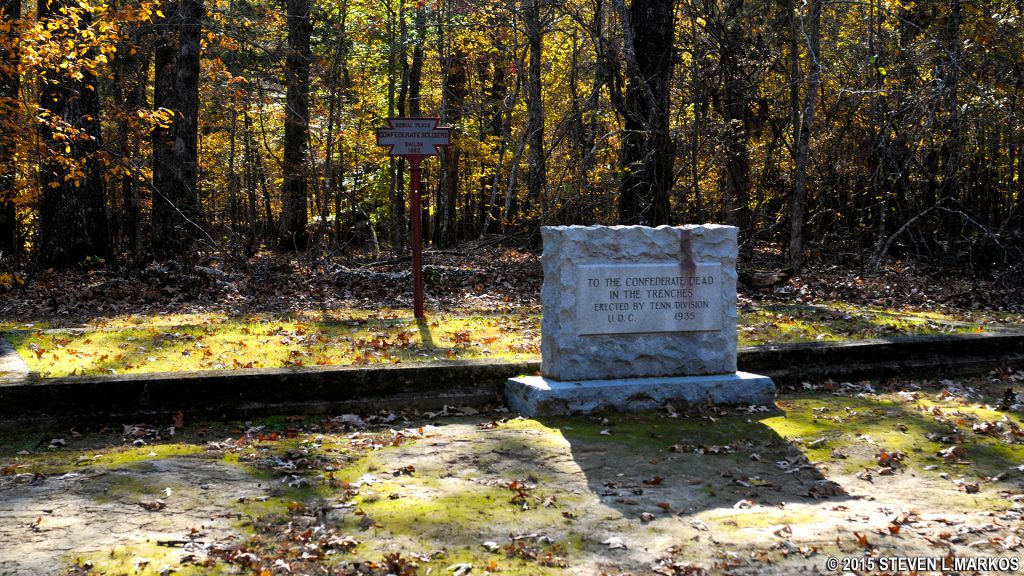
Shiloh National Military Park one of the Confederate mass graves.

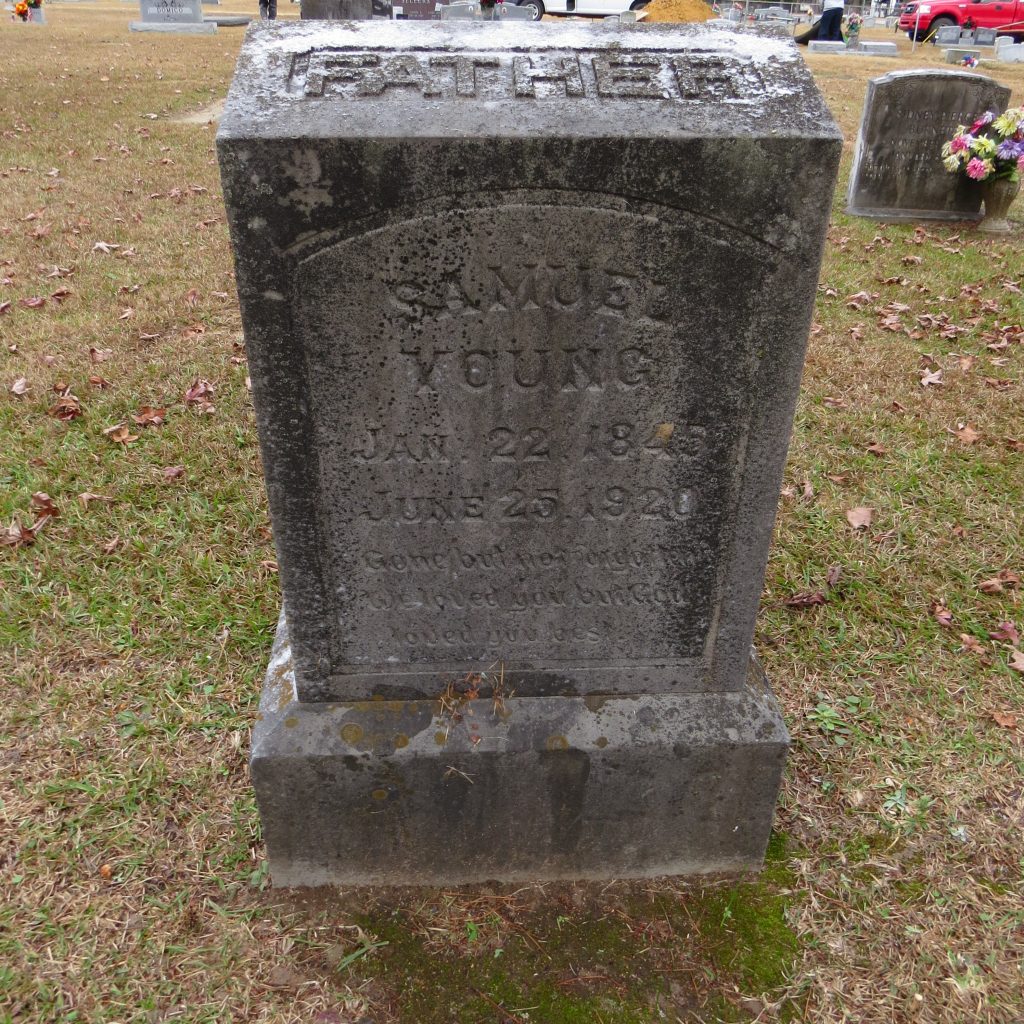
The Confederate dead – more than 10,000 – were heaped into nine mass graves. The Union dead were given individual graves. One of those mass graves contained the body of Jarvis Seale. As I was writing Brookhaven, it wasn’t difficult to image the grief of Jarvis’s widow and five children. Not only had they lost a husband and a father, they would also never know which mass grave contained his body. One daughter later married and moved to northern Texas. In the local cemetery, she had a memorial stone erected in her father’s memory. It’s why Find-A Grave identifies the cemetery as his burial site, but it’s only a memorial, not a grave.

The Battle of Shiloh eventually played a role in the birth of Decoration Day, which eventually was named Memorial Day. in 1866, women from the former Confederacy decorated the mass graves at Shiloh with floral tributes to the dead. Unexpectedly, they also decorated the graves of the Union dead. Northern women took notice and soon duplicated the practice at the sites of battles in northern states. Foes in life had joined together in death.

Related: 

A flood of memories: How rising water imperiled Shiloh wounded – John Banks’ Civil War Blog. 

Some Reviews of “Brookhaven”

February 4, 2026 By Glynn Young Leave a Comment

Reviewers have had kind things to say about my novel Brookhaven. Here are a few of them.

Outstanding novel about the Civil War

“Though this is a novel, the author has included a lot of historical information about the Civil War times that amplifies the horror and destruction of this brutal war and its aftermath. The reader will find inspiration in the determination of the main characters. The book offers something for almost every reader– historical insights, a bit of romance, family dynamics but, most of all, the book highlights the indomitable human spirit to survive the tragedy and almost unimaginable hardship brought on by the Civil War.”

Beautifully written. Impossible to put down.

“This wonder of a Civil War novel captivated me from the first page. Set ostensibly in 1915 when the only female reporter for the NEW YORK WORLD is sent south to learn details about a mysterious Confederate spy, author Glynn Young spins a family saga that details the heartache and loss not only of the war specifically but the broken relationships and twisted lives that came out of those devastating years.

“What begins as a mystery to solve quickly evolves into an elderly man’s own story of the nation’s worst war. Set primarily in the town of Brookhaven, Mississippi, and the homes of a family still caught in the grasp of the war’s aftermath, the story moves back and forth between 1915 and the 1860s, taking readers on a personal tour of troop movement in the eastern border states, battles of Gettysburg and Wilderness, General Lee’s surrender, and ultimately, a very satisfying finale.

“As I read, the book and its characters felt very real. Not my ancestors, certainly, but people I learned to cheer for and care about as the ways of war and the world had their effect. That turned out to be not too surprising, as the author wrote an end-of-the-book note that BROOKHAVEN was inspired by tales he heard from his own family as he was growing up.

Finally, marvel of marvels for people like me who always “want to know more” after I’ve finished a historical novel, author Young provides readers with a comprehensive bibliography at the end of the book that ranges from general Civil War books, to books about the war in Mississippi, to letters and memoirs that offer personal insights into those years.”

Beautifully told, fascinating in historical detail

Glynn Young has crafted a beautiful, engrossing story that shines with historical details. I’ve always loved historical fiction and Brookhaven does not disappoint. The many twists and turns in the story made this one a page-turner for me. The author’s note at the end of the book relates how the book was inspired by an old family story, which I found to be so interesting. I could tell by the way the author handled the characters with such integrity that this story holds a special place in his heart. This book kept me company over the holidays and through a winter snowstorm. It was a very good companion.

Cultivating, Winter 2026: Renewing Gratitude

January 26, 2026 By Glynn Young 1 Comment

The winter issue of Cultivating Oaks Press is live, and the theme is renewing gratitude. This issue includes some wonderful essays, articles, and stories by Rob Jones, Annie Nardone, Sheila Underwood Vamplin, Adam Nettesheim, Christina Brown, Lara d’Entremont, Kelly Keller, Maribeth Barber, and many more. I have a short story, “Grateful for the War.”

When It’s a Thrill to be No. 2

January 1, 2026 By Glynn Young 2 Comments

During this past week, the Emerging Civil War web site has been posting its countdown of the 10 most read articles on its site in 2025. The articles are typically written by historians, national park officials, and other experts in the field of Civil War history.

Which I am decidedly not. 

But.

The site welcomes articles by guests, and you don’t need to be an expert or historian to submit one. The articles, however, are all peer-reviewed. 

In January, I submitted an article explaining how a family story told through at least generations about my ancestor’s involvement turned out to about as far from the truth as you might imagine. I’d been researching the Civil War and an ancestor’s role in it, for my novel Brookhaven, when I stumbled over what he really did and what actually happened. (The story turned out to be far better, and I stuck with it for the novel.)

My article passed the peer review committee and was duly published in January. And it turns out to have been the second-most read article on the site for 2025. 

You can read the article, “Research for a Novel Upended a Family Legend,” at the site.

Photograph: A page of the family records in the Young Bible.

“John Fremont’s 100 Days” by Gregory Wolk

December 31, 2025 By Glynn Young Leave a Comment

The name John Fremont (1813-1890) evokes images of Manifest Destiny, exploration of the western United States, the first Republican candidate for President (18560, and the separation of California from Mexico. Less well-known is his very brief role in the American Civil War. 

For slightly more than three months in 1861, he was the commander of the U.S. Army’s Western Department, stretching from Illinois to the Rocky Mountains and headquartered in St. Louis. Those three months are now detailed in John Fremont’s 100 Days: Clashes and Convictions in Civil War Missouri by Gregory Wolk and published by the Missouri Historical Society.

John Fremonts 100 Days

Wolk has a gift. He meticulously documents the 100 days of Fremont’s office, but he tells it in a storytelling way. This isn’t some dry account of dates, names, and events, but a critical time in American history brought to life.

Fremont was appointed by President Lincoln, and almost from the beginning the man faced political opposition that only grew, particularly from the influential brothers Frank and Montgomery Blair, who had strong St. Louis ties and interests and their own preferences for military leadership in the region.

As Wolk points out, Fremont often didn’t help his own cause. He received his appointment while he was in Europe. He quickly returned to New York but waited there for the arrival of his wife Jessie and their children from California (via a rail crossing in the Panama isthmus. He likely waited far too long for a President and politicians who wanted quick action. 

Once he reached St. Louis, he faced a deteriorating military situation – secessionist unrest in the northeast and southeast parts of the state (Missouri was a border slave state with a governor who almost succeeded in moving Missouri into the Confederacy), the pro-Confederacy State Guard, and Confederate forces moving up from Arkansas. The Battle of Wilson’s Creek, south of Springfield, occurred in this period, a defeat for Union forces. Critics believed Fremont had authorized too little and too late. Wolk does not that it was this battle that likely gave birth to the profession of war correspondent, with a reporter publishing the story and being almost inundated with contract offers and competitors.

Gregory Wolk

Wolk includes vignettes about some of the key players, including Fremont’s wife, Jessie Benton Fremont, daughter of Thomas Hart Benton and a force in her own right. She took her husband’s defense directly to Lincoln (the meeting didn’t go well) and was his public relations manager (long before the term was invented), defender, and chronicler. Also noted is one of the early involvements in the war by an officer named Ulysses S. Grant.

Wolk is a retired attorney, previously general counsel of Three Rivers Systems, Inc., a St. Louis-based developer of academic management software. He has been executive director of Missouri’s Civil War Heritage Foundation, a program coordinator for the Missouri Humanities Council, and currently a member of the board of directors of the National US Grant Trail Association. He previously published Friend and Foe Alike: A Tour Guide of Missouri’s Civil War (2010), which describes the 237 Civil War sites in the state. He lives with his family in Webster Groves in suburban St. Louis.

In John Fremont’s 100 Days, Wolk tells a great story. Fremont emerges as a leader who made mostly political mistakes, who didn’t perceive the Administration forces growing against him. The book also conveys the sense of one of the key reasons the North appeared to be on the road to ultimate defeat – too many politicians trying to fight battles and second-guessing from the safety of their offices in Washington, D.C. 

Related:

Kirkwood’s Grant Historian – Webster-Kirkwood Times.

Forgetting All the Illustrations I Studied for a Non-Illustrated Book

November 5, 2025 By Glynn Young Leave a Comment

My historical novel Brookhaven has no illustrations. I spent an estimated third of my research time hunting for them.

The novel is set in two different time periods – the Civil War and immediately after, and then 50 years later, in 1915. From the beginning of the first draft, I quickly learned that I had to see both periods. I had to see what people wore, what they ate, how they traveled, what their homes were like, what their streets and communities were like, and more. 

From early on, I had to spend far more time looking than reading, and vastly more time looking than writing. Thos 50 years were some of the momentous in American history – rapid industrialization during the war and after, wagons and carriages giving way to automobiles, the advent of flight, the rapid spread of newspapers supported by wire services like Associated Press, rapid changes in the position of women in society, and mechanized agriculture becoming the rule rather than the exception.

To continue reading, please see my post today at the ACFW Blog.

Illustration: Men’s golfing fashions in 1915.

  • Page 1
  • Page 2
  • Page 3
  • Interim pages omitted …
  • Page 21
  • Go to Next Page »

Footer

GY


Meet the Man

An award-winning speechwriter and communications professional, Glynn Young is the author of six novels and the non-fiction book Poetry at Work.


 01_facebook 02_twitter 26_googleplus 07_GG Talk

Copyright © 2026 Glynn Young · Site by The Willingham Enterprise · Log in | Managed by Fistbump Media LLC