• Skip to primary navigation
  • Skip to main content
  • Skip to footer

Dancing Priest

Author and Novelist Glynn Young

  • HOME
  • BLOG
  • BOOKS
    • Brookhaven
    • Dancing Prince
    • Dancing Prophet
    • Dancing Priest
    • A Light Shining
    • Dancing King
    • Poetry at Work
  • ABOUT
  • CONTACT

Brookhaven

Revisiting Longfellow with a Memory from Zimbabwe

July 29, 2026 By Glynn Young Leave a Comment

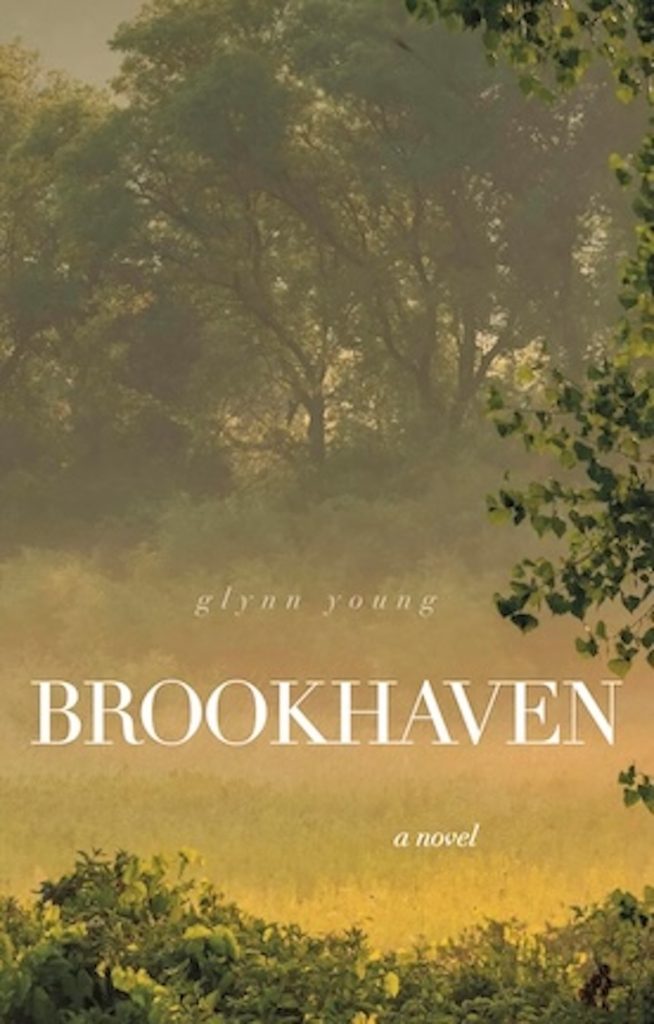
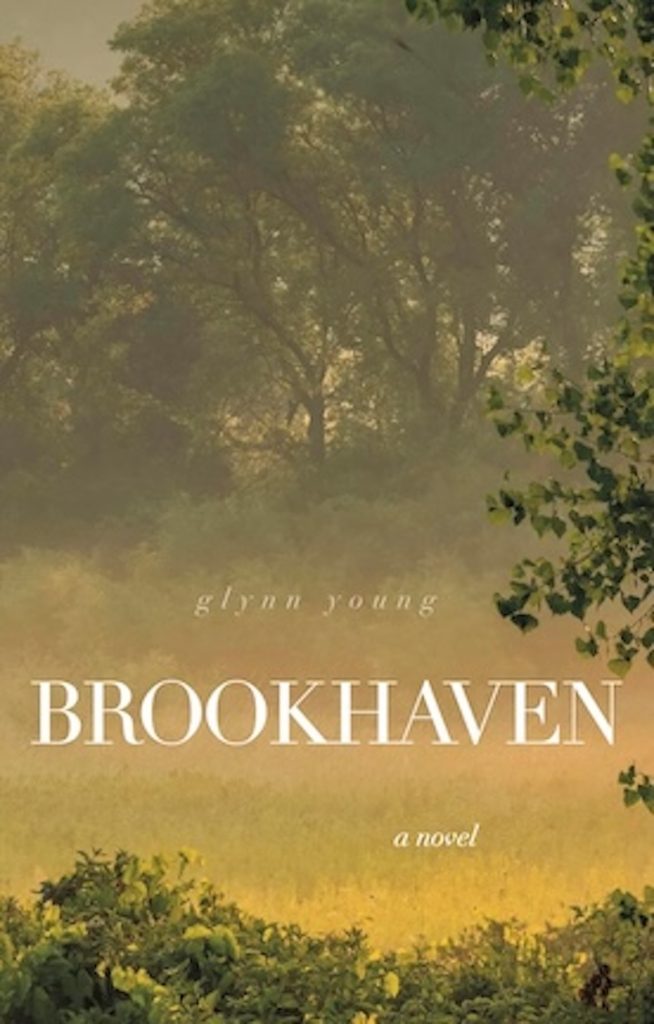
I employed the poetry of Henry Wadsworth Longfellow (1807-1882) as a kind of refrain in my novel Brookhaven. A main character is well known in his family for his lifelong love of Longfellow’s poetry and his ability to recite it from memory. 

What I didn’t realize or remember was just how long I’d been reading Longfellow’s poetry myself. That is, until a recent comment on a post at Tweetspeak Poetry popped up.

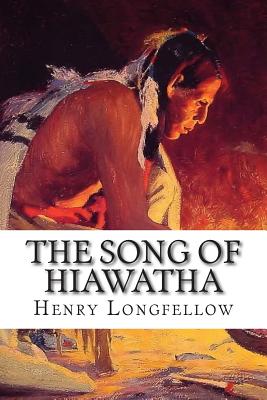
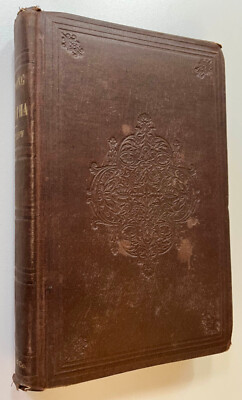
A first edition of Hiawatha

The comment first arrived as an email. It’s a standard notification that Tweetspeak writers get when someone comments on a post they’ve written. I read it and looked at the date of the post – Oct. 3, 2017, almost nine years ago. Had I actually resumed reading Longfellow that long ago?

The post in question was about Longfellow’s poem The Song of Hiawatha. And the reason I’d read and written about it was an interview with two poets, one of whom had made a comment about the poem, calling it “racially insensitive.”

I decided to read the poem myself. And I learned that the poet who’d made the remark probably hadn’t read the poem, or much of it. It is not racially insensitive. In fact, the epic poem was one of the first, if not the first, to feature a Native American as the hero. In 1855, no one, and I mean no one, considered Native Americans as heroes, in literature or anywhere else. Longfellow was even criticized for doing this by literary critics.

The comment, arriving nine years after the post was published, took me in another direction. A woman briefly described reading the poem with her class in the first year of high school. And she lived in Zimbabwe. It is the first year of high school; the class was twelve- and thirteen-year-olds. She wrote that she never forgot the story that the poem told. And the post made her realize that she needed to read it aloud to her own grandchildren. 

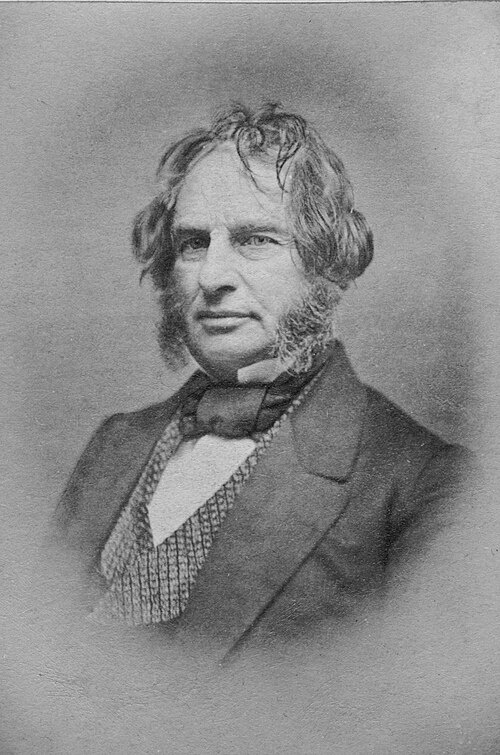
Longfellow about 1855

And I wondered, how many American schoolchildren ever study the poem anymore, or even read it? I can remember it from my eighth grade reading class; that year, for whatever reason, reading and English grammar were two separate subjects and classes. 

I distinctly remember reading Evangeline, another spic poem by Longfellow about the expulsion of the Acadians from what is now Nova Scotia. Evangeline is part of the folklore of the region where I grew up – southern Louisiana. And it, too, did something in an American poem that hadn’t been done before – it featured a Catholic as the heroine.

And, of course, we read and memorized Longfellow’s The Midnight Ride of Paul Revere, published as one of the poems in Tales of the Wayside Inn in 1863. Not entirely accurate historically, that single poem may have shaped our understanding of the American Revolution more than any other literary endeavor. 

Critics at the time might have complained, but the American public loved Longfellow’s poems, making him one of the longest best-selling authors of the 19th century. A personal favorite is The Courtship of Miles Standish, the epic poem about the Pilgrims arrival in America that Longfellow turned into a love story. For me, that long poem is a personal favorite, because my great-grandmother, Octavia Montgomery Young, and the inspiration for the character of Olivia Montgomery in Brookhaven, is a descendant of John Alden and Priscilla Mullins. They were both real people, and both on the Mayflower, and Longfellow made their love story the crux of the great poem.

So, for both Evangeline and The Courtship of Miles Standish, I take my Longfellow rather personally. And the memory of a woman about a high school class in Zimbabwe brings it all back.

Related:

The audiobook version of The Song of Hiawatha, all free on YouTube (almost four hours of listening).

The full text of The Song of Hiawatha.

The Mythic and Heroic: The Song of Hiawatha by Henry Wadsworth Longfellow (at Tweetspeak Poetry). 

A Trailer for “Brookhaven”

June 18, 2026 By Glynn Young 2 Comments

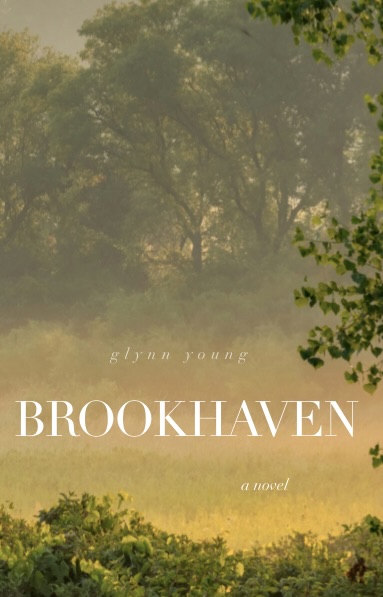
I was at the grocery store, doing the weekly shopping, when my phone buzzed with a notification. TS Poetry Press, the publisher of my historical novel “Brookhaven,” had produced a trailer for the book. And what a trailer! It succinctly summarizes the story line, and it communicates the “feel” I intended for the story. There I was, in the produce aisle, looking over bags of cherries, when I viewed a video summary of my book. I was so moved I should have been by the onions to give myself an excuse.

Five Ways to Research Your Family History

May 7, 2026 By Glynn Young Leave a Comment

The writing of my historical novel Brookhaven took about 150 years.

I must have seen something like this before, but I can’t recall a specific example. Many novels include an acknowledgement page, cutting the people who helped or inspired the author. My historical novel Brookhaven has an author’s note explaining some of the novel’s background. But it also has something you don’t usually see in a novel – a nine-page bibliography.

I included more as a reminder to myself of where the novel come from. 

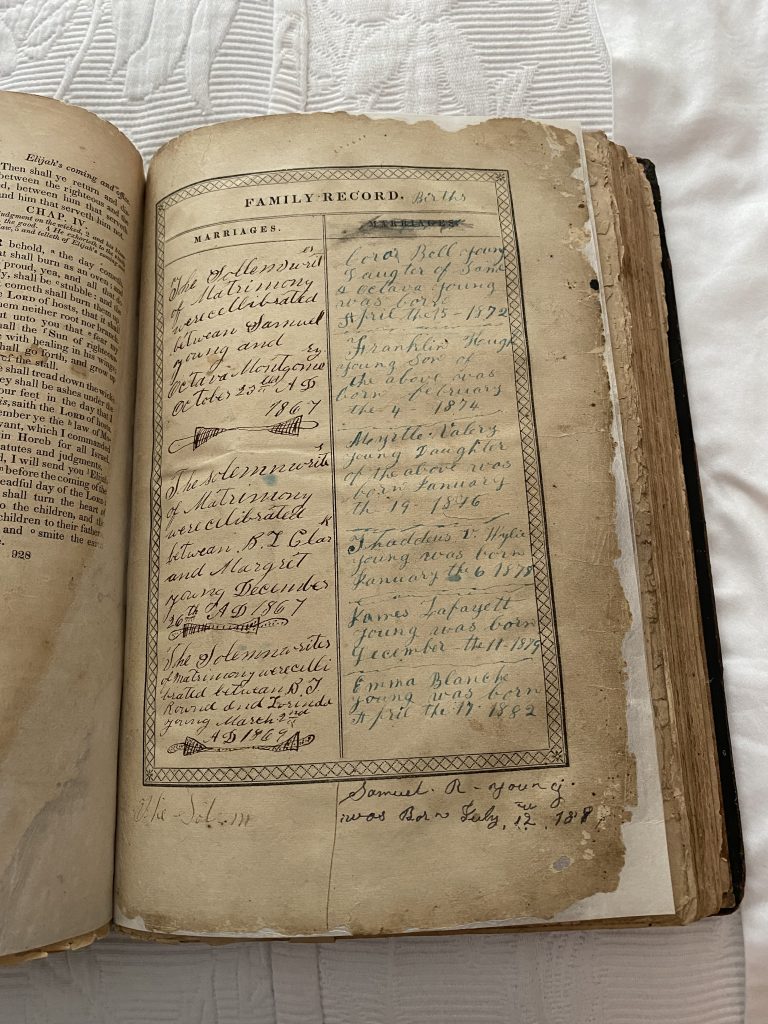
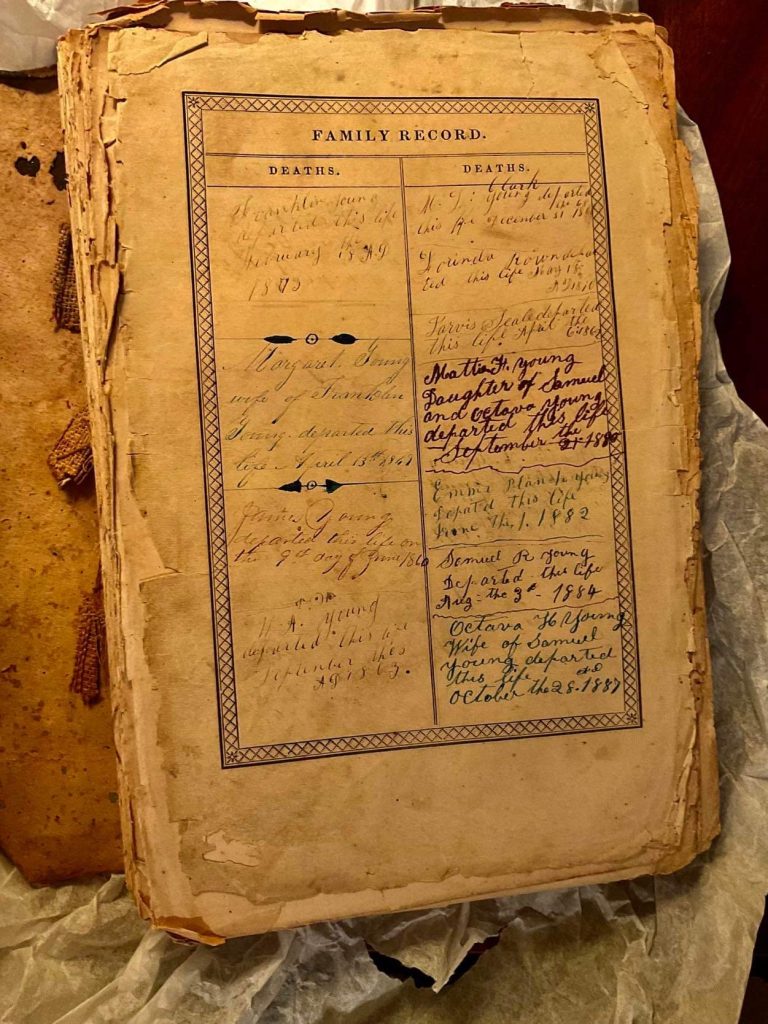
A grandmother who referred to the Civil War as the “War of Northern Aggression.” A father who told slightly mangled family stories, including one that sounded like an epic journey. A research paper in high school on what the “plantation system” really looked like. A family Bible with a mystery embedded in the birth and death records. A mountain of reading old and new American history books. An aunt who spent decades researching family history, long before the invention of the internet. Discovering I liked, as in really liked, the poems of Henry Wadsworth Longellow, once the top-selling poet and author in the United States who was dropped into the dustbin of literary criticism. 

To continue reading, please see my post today at Tweetspeak Poetry.

Photograph: A page from the records in the family Bible pre-preservation.

“Brookhaven” and the Battle of Shiloh

April 15, 2026 By Glynn Young 1 Comment

For a very long time, no one in my father’s family – father, aunts, uncles, grandmother, or cousins – knew why the family Bible contained a death notice. The name was Jarvis Seale; the only thing the listing had was the date of his death. Who was this person? Why was he considered so important that my great-grandfather, who’d penned every entry in the records, had included him. My father guessed Jarvis might have been a distant cousin, or a close friend.

It was only in the years I’d been doing reading and research for my historical novel Brookhaven that I discovered the answer, and then it was simply by happenstance. The key was the date of his death.

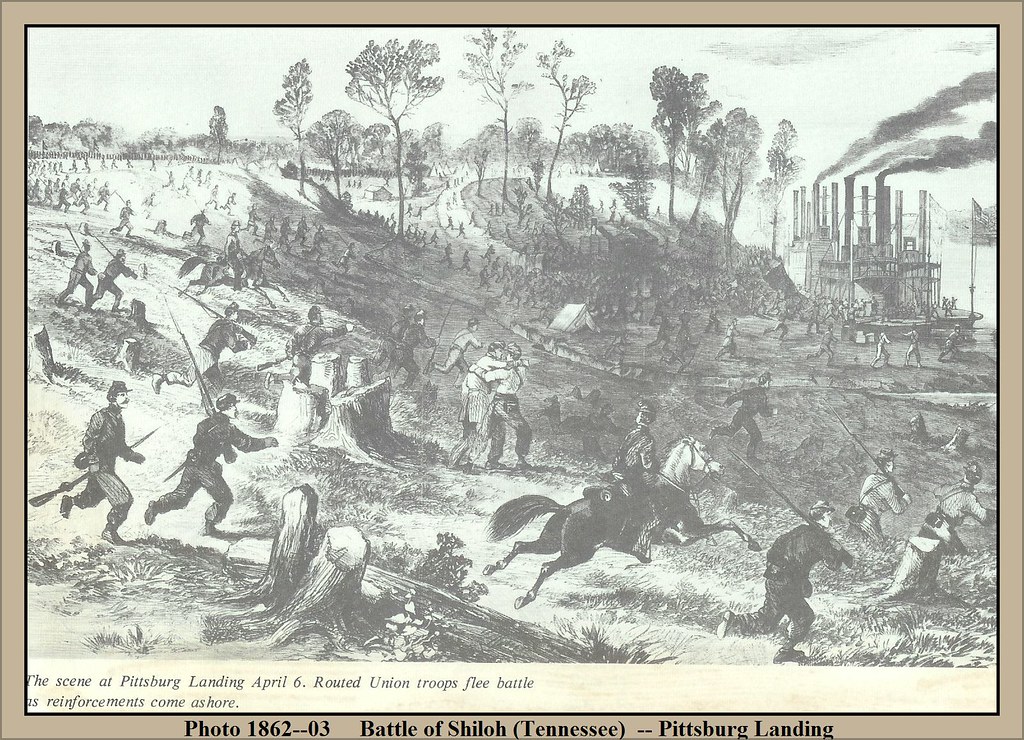
I was reading about the two-day Battle of Shiloh, and something about the dates – April 6 and April 7 of 1862 – reminded me of something. The dates were familiar, but in some other context. Where else had I seen those dates? At some point, I made the connection. It was the family Bible, and the mention of the mystery man. His death was listed as April 6, 1862. 

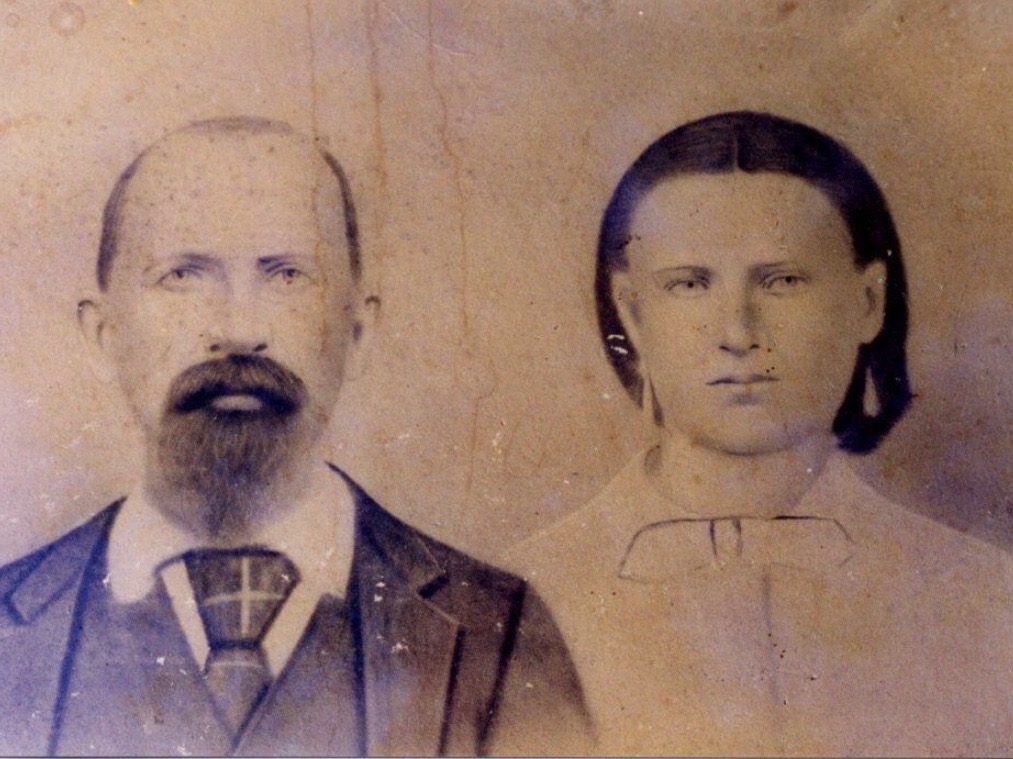
I turned to Family Search. I pulled up my great-grandfather’s listing and checked his sisters. And there he was – the husband of an older sister, Martha. The had had five children – a boy and four girls. Family mystery solved. 

Last week, specifically April 6 and April 7, marked the 164th anniversary of the Battle of Shiloh. Up to that point in the Civil War, the war had something almost romantic. But over the course of those two days, the reality became apparent. This wasn’t some romantic story of dashing horsemen rattling their sabers. This amounted to almost wholesale slaughter – more than 23,000 men (both sides combined) died during those two days, and many more were injured. Confederate General Albert Sidney Johnston was killed. The Union has emerged victorious but had almost lost the battle on the first day. General Ulysses S. Grant was vilified in the northern press. The Union had won, but the cost was horrific.

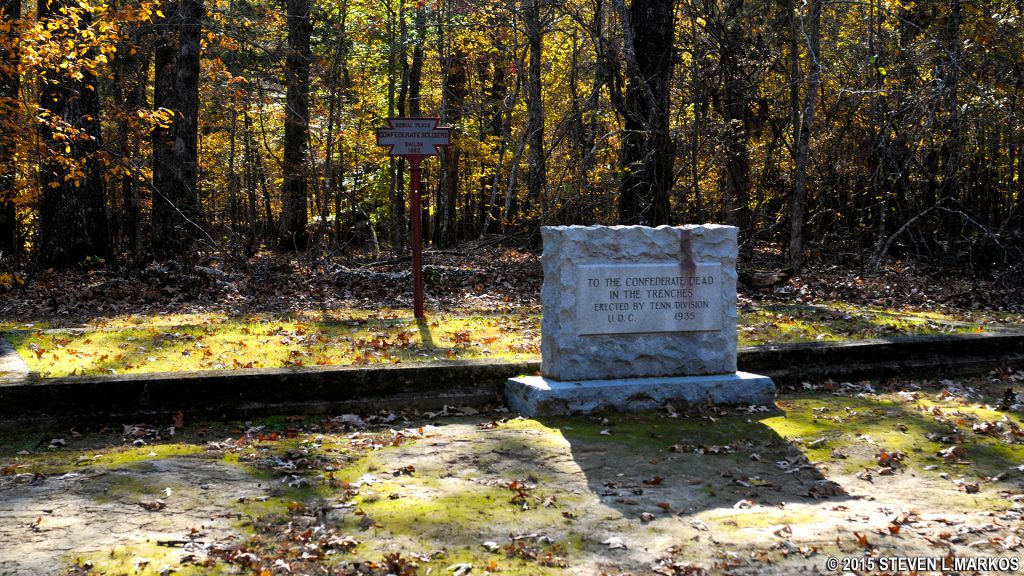
Shiloh National Military Park one of the Confederate mass graves.

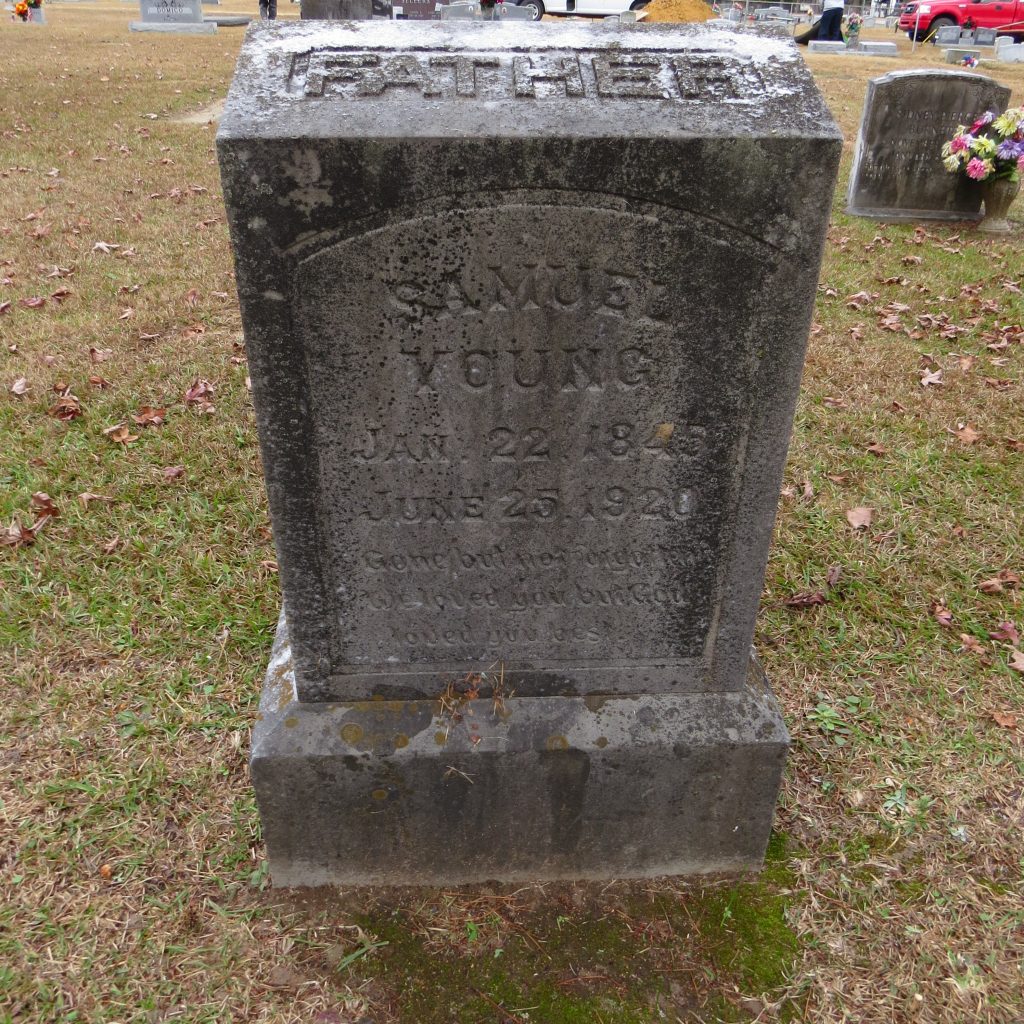
The Confederate dead – more than 10,000 – were heaped into nine mass graves. The Union dead were given individual graves. One of those mass graves contained the body of Jarvis Seale. As I was writing Brookhaven, it wasn’t difficult to image the grief of Jarvis’s widow and five children. Not only had they lost a husband and a father, they would also never know which mass grave contained his body. One daughter later married and moved to northern Texas. In the local cemetery, she had a memorial stone erected in her father’s memory. It’s why Find-A Grave identifies the cemetery as his burial site, but it’s only a memorial, not a grave.

The Battle of Shiloh eventually played a role in the birth of Decoration Day, which eventually was named Memorial Day. in 1866, women from the former Confederacy decorated the mass graves at Shiloh with floral tributes to the dead. Unexpectedly, they also decorated the graves of the Union dead. Northern women took notice and soon duplicated the practice at the sites of battles in northern states. Foes in life had joined together in death.

Related: 

A flood of memories: How rising water imperiled Shiloh wounded – John Banks’ Civil War Blog. 

Some Reviews of “Brookhaven”

February 4, 2026 By Glynn Young Leave a Comment

Reviewers have had kind things to say about my novel Brookhaven. Here are a few of them.

Outstanding novel about the Civil War

“Though this is a novel, the author has included a lot of historical information about the Civil War times that amplifies the horror and destruction of this brutal war and its aftermath. The reader will find inspiration in the determination of the main characters. The book offers something for almost every reader– historical insights, a bit of romance, family dynamics but, most of all, the book highlights the indomitable human spirit to survive the tragedy and almost unimaginable hardship brought on by the Civil War.”

Beautifully written. Impossible to put down.

“This wonder of a Civil War novel captivated me from the first page. Set ostensibly in 1915 when the only female reporter for the NEW YORK WORLD is sent south to learn details about a mysterious Confederate spy, author Glynn Young spins a family saga that details the heartache and loss not only of the war specifically but the broken relationships and twisted lives that came out of those devastating years.

“What begins as a mystery to solve quickly evolves into an elderly man’s own story of the nation’s worst war. Set primarily in the town of Brookhaven, Mississippi, and the homes of a family still caught in the grasp of the war’s aftermath, the story moves back and forth between 1915 and the 1860s, taking readers on a personal tour of troop movement in the eastern border states, battles of Gettysburg and Wilderness, General Lee’s surrender, and ultimately, a very satisfying finale.

“As I read, the book and its characters felt very real. Not my ancestors, certainly, but people I learned to cheer for and care about as the ways of war and the world had their effect. That turned out to be not too surprising, as the author wrote an end-of-the-book note that BROOKHAVEN was inspired by tales he heard from his own family as he was growing up.

Finally, marvel of marvels for people like me who always “want to know more” after I’ve finished a historical novel, author Young provides readers with a comprehensive bibliography at the end of the book that ranges from general Civil War books, to books about the war in Mississippi, to letters and memoirs that offer personal insights into those years.”

Beautifully told, fascinating in historical detail

Glynn Young has crafted a beautiful, engrossing story that shines with historical details. I’ve always loved historical fiction and Brookhaven does not disappoint. The many twists and turns in the story made this one a page-turner for me. The author’s note at the end of the book relates how the book was inspired by an old family story, which I found to be so interesting. I could tell by the way the author handled the characters with such integrity that this story holds a special place in his heart. This book kept me company over the holidays and through a winter snowstorm. It was a very good companion.

Cultivating, Winter 2026: Renewing Gratitude

January 26, 2026 By Glynn Young 1 Comment

The winter issue of Cultivating Oaks Press is live, and the theme is renewing gratitude. This issue includes some wonderful essays, articles, and stories by Rob Jones, Annie Nardone, Sheila Underwood Vamplin, Adam Nettesheim, Christina Brown, Lara d’Entremont, Kelly Keller, Maribeth Barber, and many more. I have a short story, “Grateful for the War.”

  • Page 1
  • Page 2
  • Page 3
  • Interim pages omitted …
  • Page 8
  • Go to Next Page »

Footer

GY


Meet the Man

An award-winning speechwriter and communications professional, Glynn Young is the author of six novels and the non-fiction book Poetry at Work.


 01_facebook 02_twitter 26_googleplus 07_GG Talk

Copyright © 2026 Glynn Young · Site by The Willingham Enterprise · Log in | Managed by Fistbump Media LLC