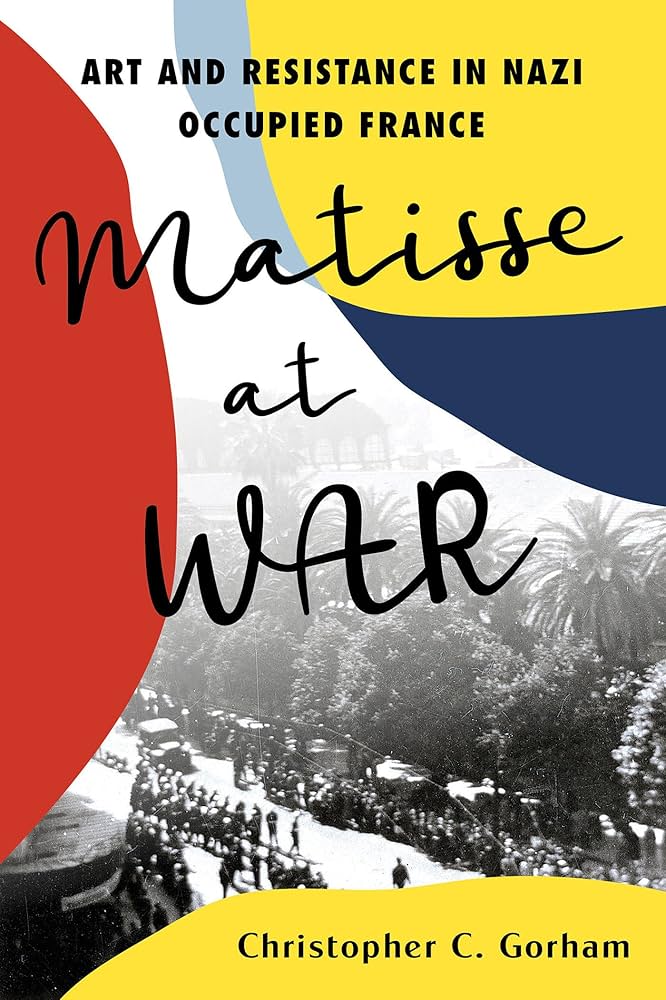
On Nov. 4, I had just finished reading Matisse at War: Art and Resistance in Nazi-Occupied France by Christopher Gorham when I received an email from the St. Louis Art Museum. In partnership with the St. Louis Jewish Book Festival, the art museum would be hosting a lecture by Gorham on Thursday, Nov. 6.
I loved the book. When news of its publication first happened, I pre-ordered the book. I suspected – correctly, as it turned out – that a book about art, World War II, Nazis, Vichy France, and Henri Matisse (1869-1954). Last year, we had seen an exhibition at the art museum on Matisse and the Sea, and many of the paintings would have been completed in the period leading up to the war.
I didn’t need convincing. I bought my ticket for the lecture.

I arrived at the art museum early, to walk through Sculpture Hall to get a quick view of the five massive paintings featured in the new Anselm Kiefer exhibition on Becoming the Sea. (Obviously, the art museum, like the rest of us. is fascinated by the sea.) I was finally making my way down the hall’s big stairs when I realized that Christopher Gorham was walking right in front of me, accompanied by an art museum staffer. No, I didn’t interrupt them to introduce myself.
I had an excellent seat in the theater, equivalent to orchestra center at the symphony or a play. The audience had about 150 people. After introductory remarks by representatives of the art museum and the Jewish Book Festival, Gorham spoke for about 45 minutes.
For 45 minutes, he told the story in the book and of the book. If you hadn’t read it, you wouldn’t realize that he was giving an oral summary of the entire book, and his talk was just as fascinating as the book itself. He added a few details, like elaborating on the Degenerate Art Show organized by the Nazis which toured Germany in 1937 and 1938, and which included a few of Matisse’s paintings. There was much about Matisse’s art that the Germans and the Vichy French hated.
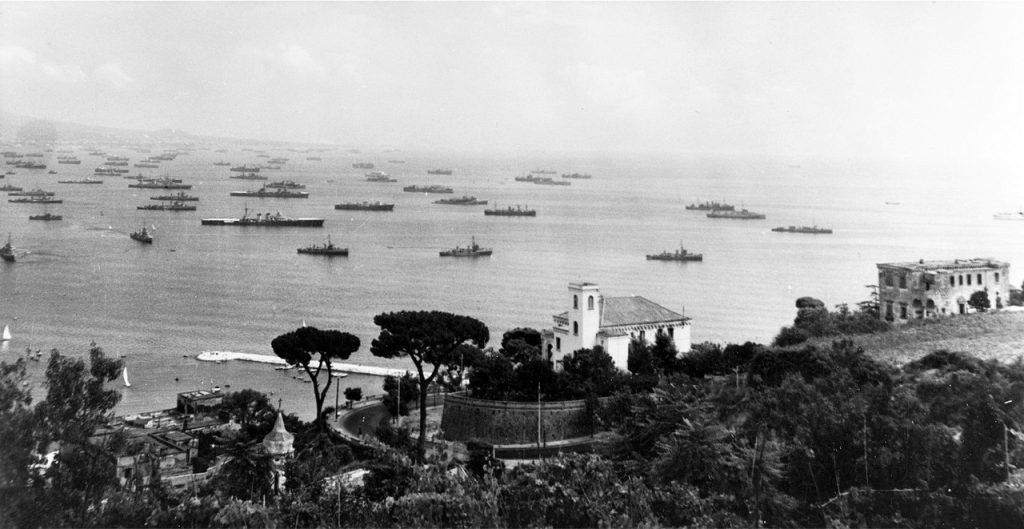
Gorham also tracked several of Matisse’s famous scissor “cut-outs” with both events in his personal life and developments in the war. His famous “The Wolf” (or “Le Loup”) was completed about the time his ex-wife Amelie and his daughter Marguerite were arrested by the Gestapo for involvement in the Resistance. He also described the “second D-Day” in France, when the Allies bombed and invaded Nice and Provence. Increasing danger from the war prompted Matisse to move to a country house about 10 miles from Nice. Nice itself was bombed, with 500 people dying in the raid.
He pointed out the just passed Monday, Nov. 3, was the 71st anniversary of Matisse’s death.
After the lecture and a question-and-answer period, Gorham signed copies of the book just outside the main gift shop next door to the theater. I’d brought my copy with me but didn’t intend to get his autograph. As I was leaving, the signing was just getting underway, and only one person was in line. I thought, “Well, why not?” and joined the line, which quickly filled up after me.
I told Gorham how much I’d enjoyed the book. We chatted for a minute or so, and then I mentioned I’d had no idea how important Pierre Matisse had been to the art scene in New York City until I read the book.
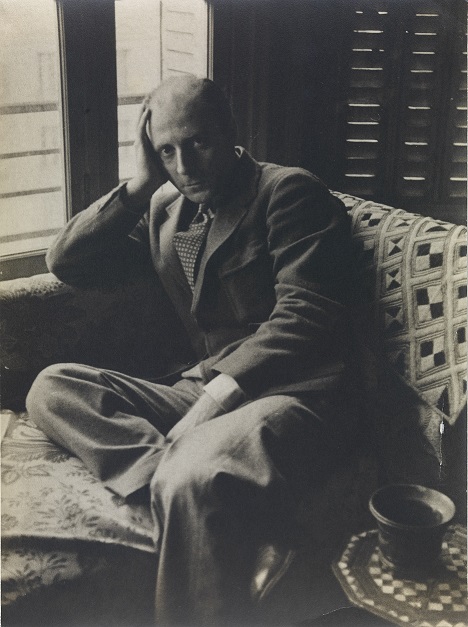
“Pierre essentially started modern art in New York,” Gorham said. “And much of it had to do with the artists who’d fled Europe for safety in the United States. Otherwise, they would have been killed outright or sent to a death camp. Instead, they created an art movement in America, and Pierre Matisse was at the center of it.”
Pierre did more than simply organize exhibitions of these artists’ works. He found apartments for them, often paying their rent. He paid them stipends so they could feed themselves and their families and still paint. He helped them establish their names and reputations.
Matisse’s daughter Marguerite put herself in personal danger. She carried coded messages, including one to Brittany in the spring of 1944 that provide information to the Resistance about the coming D-Day invasion. That was when she was arrested by the Gestapo. She was imprisoned, tortured, and then deported by train to a camp in Germany. Miraculously, she survived the war.
Gorham’s lecture was every bit as fascinating as the book. I loved the book (my review posted today at Faith, Fiction, Friends), and I’m glad I made time to attend the lecture. The author expanded my understanding of both the book and its subject. And I learned a little about the history of modern art in America.



Leave a Reply