“This young man was more than just David’s roommate, wasn’t he?” Gran said.
Sarah nodded.
“Do you want to talk about it?”
“I love him Gran. I love him and I can’t love him. He has this enormous faith in God. He’ll be ordained a minister when he returns from the Olympics and then he goes to Africa.”
“Is it the religion, Sarah?” Grand said.
Sarah nodded again. “I just don’t have it. It just doesn’t work for me. But it’s everything about him.”
— From Dancing Priest
Photograph by Brooke Cagle via Unsplash. Used with permission.
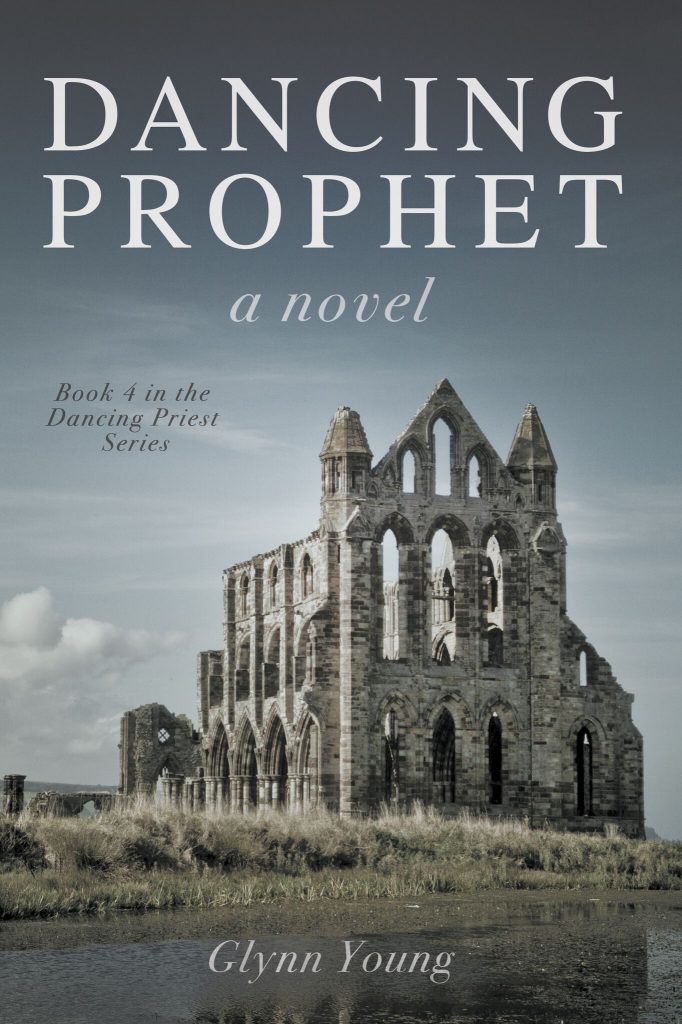

 Dancing Prophet is fiction, but like all fiction, it can’t help but reflect the times in which it’s written. When the history of our times comes to be written, it may be title (or subtitled) “The Age of Institutional Crisis.” Our government structures aren’t working; the sorry spectacle of a U.S. Senator questioning a candidate for the Supreme Court about the references to body noises in his high school yearbook isn’t even funny as much as it is tragic.
 This is the world partially depicted in Dancing Prophet. Michael Kent-Hughes has been thrust into a position he never expected and never sought. He is not only dealing with ecclesiastical failure; he is also dealing with politicians increasingly reluctant to take responsibility and a London governing authority that ceases to work due to political disfunction.