• Skip to primary navigation
  • Skip to main content
  • Skip to footer

Dancing Priest

Author and Novelist Glynn Young

  • HOME
  • BLOG
  • BOOKS
    • Brookhaven
    • Dancing Prince
    • Dancing Prophet
    • Dancing Priest
    • A Light Shining
    • Dancing King
    • Poetry at Work
  • ABOUT
  • CONTACT

biography

“The Atlas of Independence” by Chris Mackowski

June 10, 2026 By Glynn Young Leave a Comment

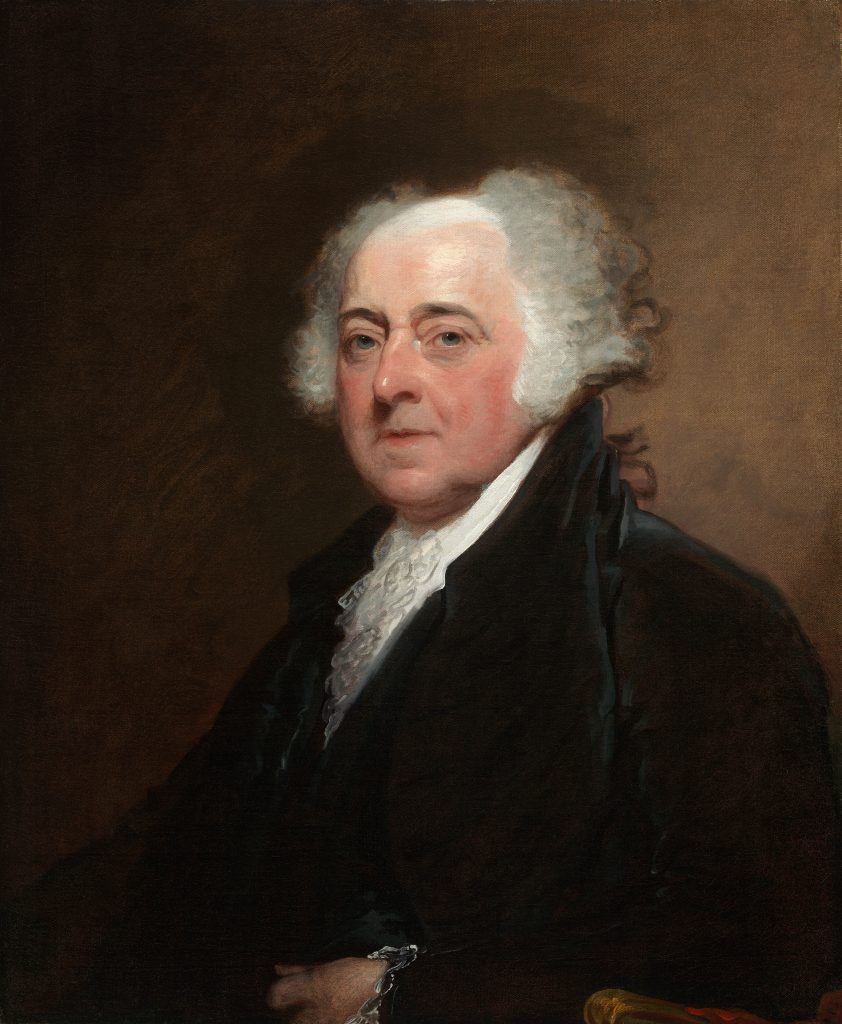
John Adams by Gilbert Stuart

If I had a mental image of John Adams, it was of a rather dour individual who bridged the presidencies of George Washington and Thomas Jefferson, whom my history teachers in high school and college seemed to find much more interesting.

Then came the 2008 miniseries John Adams, with Paul Giamatti in the title role and Laura Linney as his wife Abigail. I almost skipped it, but we decided to watch it. And I began to understand that my teachers and I had all missed the boat on this major figure of the American Revolution.  I sought out some biographies and histories, and I discovered my understanding of the second U.S. president was seriously misguided.
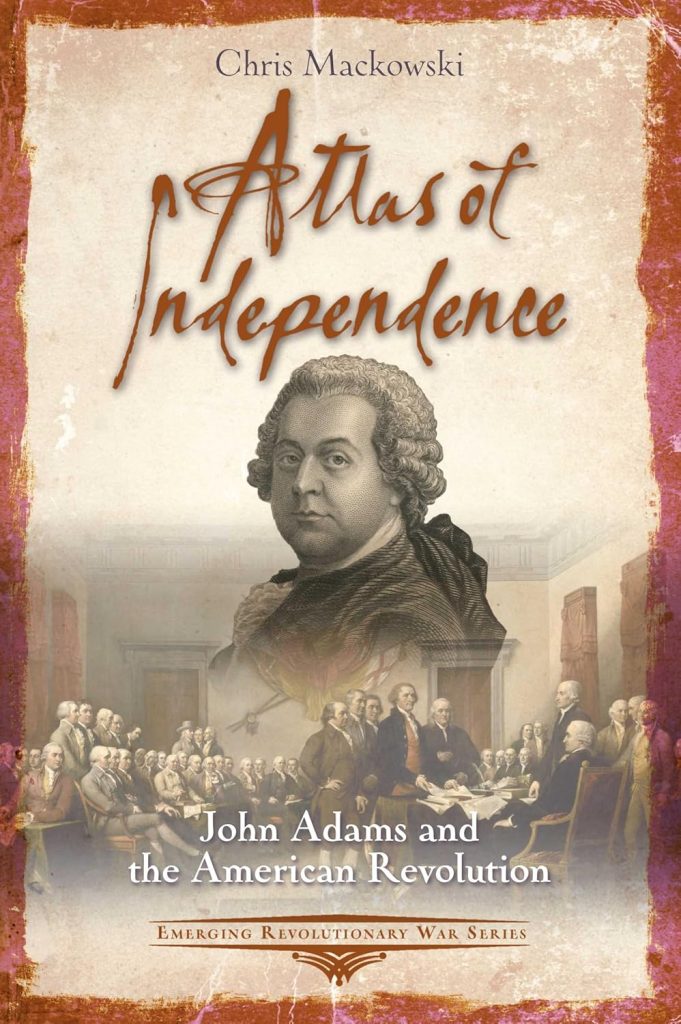
It was with that improving understanding that I began reading Atlas of Independence: John Adams and the American Revolution by Chris Mackowski. Now it all clicked. John Adams wasn’t some relatively minor character; he’d played a major role in the Second Continental Congress, the one that eventually adopted the Declaration of Independence. 

Adams gave speeches. He argued. He cajoled. He chaired committees (he chaired a lot of committees). He wrote letters. And as Mackowski points out, he paid a steep price. As radical as Adams was in his politics, he was equally devoted to his wife Abigail and his family. And his work with the congress and later his appointment as part of the diplomatic mission to France kept his away from his family for long periods of time. 

Atlas of Independence concisely tells the story of John Adams. It’s a highly readable, fascinating account, and it gives Adams the attention and understanding he merits. John Adams himself saw his cousin Sam Adams as the central figure of the American Revolution, but by the time of the Second Continental Congress, “John would begin to eclipse his cousin as the main engine driving the movement.”

Chris Mackowski
Chris Mackowski

John Adams, the main engine driving the movement to American independence. Yes, my understanding had been seriously flawed.

A professor at St. Bonaventure University, Mackowski has received B.A., M.A., M.F.A., and Ph.D. degrees in communication, English, and creative writing. The author of some nine books, he’s written extensively on the Civil War for a number of publications. He also worked for the National Park Service and gave tours of the Civil War battlefields at Fredericksburg, Chancellorsville, Wilderness, and Spotsylvania. 

Atlas of Independence is well-researched, and it provides a solid summary of what Adams did to move the country toward independence and then declare it, as well as what he did to serve the cause of independence afterward.

Painting: John Adams, oil on canvas by Gilbert Stuart.

The Biography of a Civil War Regiment

April 30, 2025 By Glynn Young 1 Comment

In my historical novel Brookhaven, the elderly Sam McClure recalls his experience with the Iron Brigade in the Civil War. It was of short duration, only about three weeks, but he attached himself to the brigade’s soldiers after the Battle of Gettysburg. He was following his orders; he was all of 13 years old, but he was working as a spy for a Confederate group called Colby’s Rangers.

Sam admits he never really learned anything of importance; what he did was to run errands and keep the soldiers entertained with recitations of poetry by Henry Wadsworth Longfellow. The brigade suffered a high casualty rate during the war; it was known for its fearlessness. Sam meets up with a bare handful of survivors at the Gettysburg Reunion of 1913, but he never reveals his identity. He listens as the veterans eventually discuss “the boy who recited Mr. Longfellow’s poems.” 

He tells his listeners that he’s always felt bad for misleading the men; the reporter Elizabeth Putnam gives him another insight, that he provided a respite to the men from the horrors of war. Her words move Sam to such an extent that he spends time alone in the woods.

Historian James Marten has written a somewhat unusual history of a key part of the Iron Brigade. The Sixth Wisconsin and the Long Civil War: The Biography of a Regiment is not an history of all of the battles the regiment fought in. The battles are included, of course, because they played such an important role in the lives of regiment’s men. But Marten uses the word “biography” very deliberately; he’s not telling the story of the regiment’s history so much as he’s telling the story of men who comprised the regiment. As he writes, the book is a story of “how men made war and what the war made of those men.”

Marten’s subject: the 2,000 men who served in the regiment at one point or another. The men wore distinctive black hats; in fact, they because known as the “Black Hat Brigade” as well as the “Iron Brigade” for their seemingly utter fearlessness. And the regiment was changing fairly constantly; the often horrendous losses suffered required a constant infusion of recruits. And his study goes well beyond the war years of 1861-1865, because while the fighting may have stopped, the impact went on for decades. One could argue that we still feel the impact of the American Civil War.

He addresses four areas: the men’s military history as well as their lives as veterans; what they survived as veterans; how the generation of Civil War men “invented the very idea of war,” and the kind of “constructed community” that the Sixth Wisconsin became. It’s a fascinating way to tell a well-known story.

James Marten

Marten in a professor emeritus of history at Marquette University. His academic work has focused in two areas: the Civil War and the histories of children and youth. His more than 20 books includes The Children’s Civil War, Sing Not War: The Lives of Union and Confederate Veterans in Gilded Age America, America’s Corporal: James Tanner in War and Peace, and Buying and Selling Civil War Memory in Gilded Age America. He is a past president f the Society of Civil War Historians and the Society for the History of Children and Youth. 

The Sixth Wisconsin and the Long Civil War is an extraordinarily well-research account of a famous Civil War regiment, not only through the war years but in the long decades that followed. And it explains why war isn’t only what happens on the battlefield.

Top photograph: Men of the Sixth Wisconsin in their famous black hats.

Footer

GY


Meet the Man

An award-winning speechwriter and communications professional, Glynn Young is the author of six novels and the non-fiction book Poetry at Work.


 01_facebook 02_twitter 26_googleplus 07_GG Talk

Copyright © 2026 Glynn Young · Site by The Willingham Enterprise · Log in | Managed by Fistbump Media LLC