For a very long time, no one in my father’s family – father, aunts, uncles, grandmother, or cousins – knew why the family Bible contained a death notice. The name was Jarvis Seale; the only thing the listing had was the date of his death. Who was this person? Why was he considered so important that my great-grandfather, who’d penned every entry in the records, had included him. My father guessed Jarvis might have been a distant cousin, or a close friend.
It was only in the years I’d been doing reading and research for my historical novel Brookhaven that I discovered the answer, and then it was simply by happenstance. The key was the date of his death.
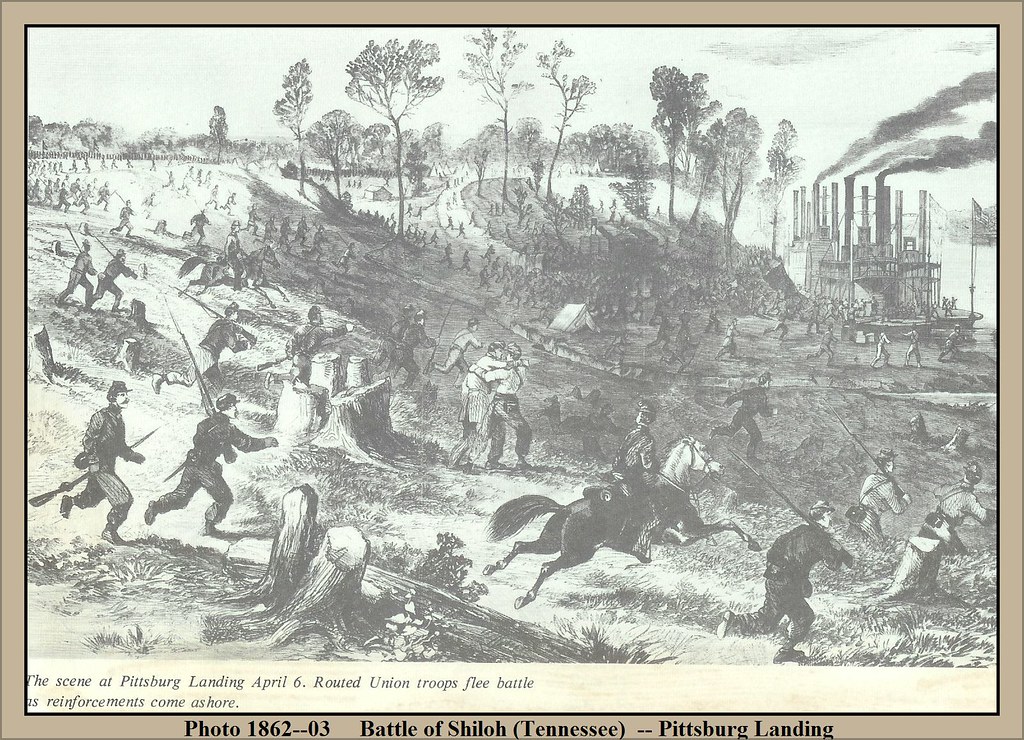
I was reading about the two-day Battle of Shiloh, and something about the dates – April 6 and April 7 of 1862 – reminded me of something. The dates were familiar, but in some other context. Where else had I seen those dates? At some point, I made the connection. It was the family Bible, and the mention of the mystery man. His death was listed as April 6, 1862.
I turned to Family Search. I pulled up my great-grandfather’s listing and checked his sisters. And there he was – the husband of an older sister, Martha. The had had five children – a boy and four girls. Family mystery solved.
Last week, specifically April 6 and April 7, marked the 164th anniversary of the Battle of Shiloh. Up to that point in the Civil War, the war had something almost romantic. But over the course of those two days, the reality became apparent. This wasn’t some romantic story of dashing horsemen rattling their sabers. This amounted to almost wholesale slaughter – more than 23,000 men (both sides combined) died during those two days, and many more were injured. Confederate General Albert Sidney Johnston was killed. The Union has emerged victorious but had almost lost the battle on the first day. General Ulysses S. Grant was vilified in the northern press. The Union had won, but the cost was horrific.
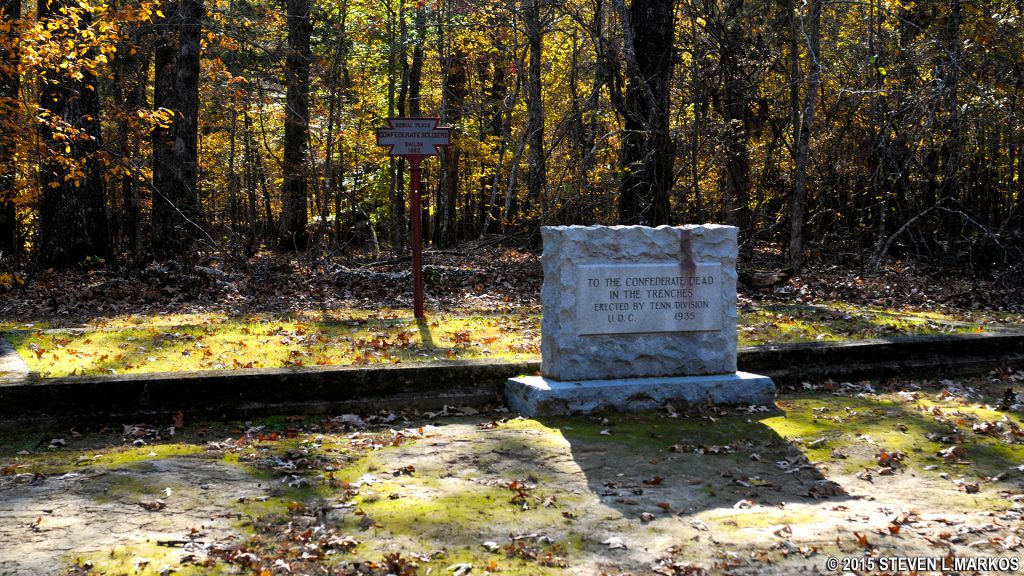
The Confederate dead – more than 10,000 – were heaped into nine mass graves. The Union dead were given individual graves. One of those mass graves contained the body of Jarvis Seale. As I was writing Brookhaven, it wasn’t difficult to image the grief of Jarvis’s widow and five children. Not only had they lost a husband and a father, they would also never know which mass grave contained his body. One daughter later married and moved to northern Texas. In the local cemetery, she had a memorial stone erected in her father’s memory. It’s why Find-A Grave identifies the cemetery as his burial site, but it’s only a memorial, not a grave.
The Battle of Shiloh eventually played a role in the birth of Decoration Day, which eventually was named Memorial Day. in 1866, women from the former Confederacy decorated the mass graves at Shiloh with floral tributes to the dead. Unexpectedly, they also decorated the graves of the Union dead. Northern women took notice and soon duplicated the practice at the sites of battles in northern states. Foes in life had joined together in death.
Related:
A flood of memories: How rising water imperiled Shiloh wounded – John Banks’ Civil War Blog.





.jpg)